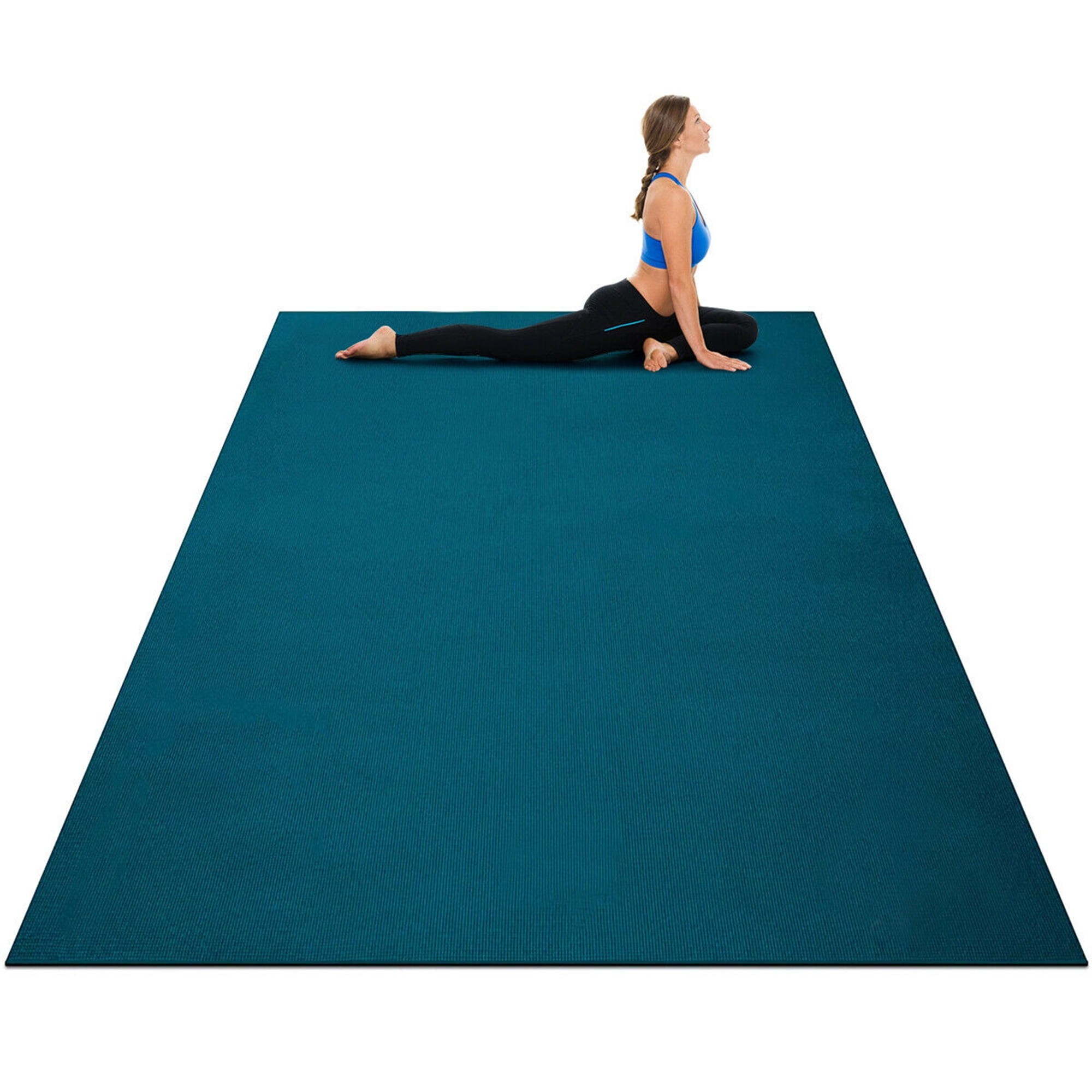

Padded exercise floor mats are essential tools for safe and effective physical training, offering both comfort and protection during workouts. Whether used in home gyms, commercial fitness centers, or rehabilitation spaces, these mats absorb impact, reduce joint strain, and provide stable footing—making every movement safer and more efficient. Unlike standard rubber or foam surfaces, padded exercise floor mats combine cushioning with durability, supporting high-intensity activities such as weightlifting, yoga, Pilates, and martial arts. Their design prioritizes both performance and safety, helping users maintain proper form while minimizing injury risk. Understanding how to select, use, and maintain these mats ensures optimal results and longevity, turning every session into a secure and productive experience.
Why Padded Exercise Floor Mats Are Crucial for Safe Training
Padded exercise floor mats serve as a vital protective barrier between the body and hard surfaces, significantly reducing the risk of injury during intense physical activity. By absorbing shock and distributing pressure evenly, they protect joints—especially knees, ankles, and hips—from repeated stress. This is particularly important in high-impact exercises like jumping squats, burpees, or heavy lifting, where ground contact forces can exceed several times body weight. Beyond injury prevention, these mats enhance stability, preventing slips and falls that could lead to sprains or muscle strains. Their non-slip surface ensures consistent footing, allowing athletes to focus on technique rather than balance. Additionally, the cushioning improves comfort during prolonged sessions, reducing fatigue and enabling longer, more effective workouts. For anyone committed to consistent training, investing in quality padded floor mats is a smart choice that supports both performance and well-being.
| Feature | Importance | Benefit |
|---|---|---|
| Shock Absorption | High | Reduces joint impact by up to 70% |
| Non-Slip Surface | Critical | Prevents slips and maintains balance |
| Durability | Essential | Withstands daily heavy use without wear |
| Weight Distribution | Moderate | Minimizes localized pressure on feet and knees |
Note: The thickness and material composition of padded exercise floor mats directly influence their protective capabilities—opt for mats with at least 4mm of cushioning for maximum safety.
Selecting the right padded exercise floor mat depends on several factors, including the type of workout, available space, and desired durability. Common materials include PVC, TPE, and natural rubber, each offering unique advantages. PVC mats are cost-effective and water-resistant but may emit mild odors initially; TPE mats provide eco-friendly options with excellent flexibility and grip; natural rubber mats deliver superior grip and resilience but tend to be pricier. Thickness varies widely—from 2mm for light yoga to 10mm+ for heavy lifting—so matching mat depth to activity intensity is crucial. Additionally, consider surface texture: smooth mats suit precision movements like Pilates, while textured versions improve traction during dynamic exercises. Always verify load ratings and certifications to ensure compliance with safety standards, especially in professional environments. Proper selection enhances both performance and long-term value, making the investment worthwhile for regular users.
Note: Regular cleaning with mild soap and water preserves mat integrity—avoid harsh chemicals that degrade materials over time.
Proper installation ensures maximum effectiveness and longevity of padded exercise floor mats. Begin by clearing the area of debris, sharp objects, and uneven surfaces to prevent punctures or misalignment. Most mats feature adhesive backing or interlocking edges; press firmly along seams to create a seamless, stable floor. For larger installations, use double-sided tape or specialized flooring clips to secure edges and avoid shifting during use. In multi-use spaces, consider placing mats over concrete or tile floors to reduce noise and protect underlying surfaces. Ensure adequate ventilation during installation to minimize fumes, especially with PVC-based mats. Once secured, inspect the mat for loose seams or damage before first use. Following these steps creates a safe, professional-grade workout environment that supports consistent training and reduces maintenance needs.
Note: Rotate mats periodically to distribute wear evenly and extend lifespan, especially in high-traffic areas.
Maintaining padded exercise floor mats extends their usable life and sustains performance quality. Wipe surfaces regularly with a damp cloth and mild detergent to remove sweat, dirt, and bacteria—this prevents buildup that can degrade materials. Avoid abrasive scrubbers or sharp tools that risk tearing the surface. For stubborn stains, use a solution of water and vinegar or a pH-neutral cleaner specifically designed for rubber flooring. Dry mats thoroughly after cleaning to prevent mold or mildew, particularly in humid environments. Inspect seams and edges monthly for signs of wear, peeling, or cracking; early detection allows timely repairs or replacement. Store mats flat or rolled in a cool, dry place away from direct sunlight to prevent UV degradation. With consistent care, padded exercise floor mats remain reliable companions for countless workouts, delivering safety, comfort, and durability year after year.
In summary, padded exercise floor mats are indispensable for safe, effective training across diverse fitness settings. Their ability to absorb impact, stabilize footing, and protect joints transforms every workout into a secure experience. Choosing the right material, thickness, and size tailored to specific activities ensures optimal performance and longevity. Proper installation and regular maintenance further enhance safety and usability, making these mats a smart long-term investment. By prioritizing quality and care, users support joint health, improve technique, and sustain consistent progress toward their fitness goals.
Related Terms:
- exercise mat online shopping
- exercise mats for home workout
- exercise mats for home gyms
- padded flooring for home gym
- best fitness mats for home
- affordable exercise mat